| Month | Mean temperature normal | Precipitation normal | Planning cue |
|---|---|---|---|
| January | -2.6°C | 28.2 mm | Indoor city days; cold-weather layers |
| February | -0.5°C | 38.0 mm | Indoor anchors and flexible walks |
| March | 6.2°C | 52.5 mm | Shoulder season; plan for changeable days |
| April | 12.8°C | 77.4 mm | Green, wetter spring; protect museum time |
| May | 17.9°C | 64.5 mm | Strong city window; wetter than September |
| June | 22.9°C | 37.9 mm | Warm regional days; check mountain weather |
| July | 25.5°C | 19.2 mm | Warmest and relatively dry; plan shade and water |
| August | 24.2°C | 14.2 mm | Warm and dry normal; mountains still differ |
| September | 18.6°C | 19.4 mm | Strong city window; slightly warmer and considerably drier than May |
| October | 11.6°C | 38.4 mm | Cooler walks; keep indoor alternatives |
| November | 4.3°C | 46.0 mm | Shorter outdoor routes and indoor culture |
| December | -1.0°C | 37.9 mm | Winter city plan; allow weather margin |
January
- Mean temperature normal
- -2.6°C
- Precipitation normal
- 28.2 mm
- Planning cue
- Indoor city days; cold-weather layers
February
- Mean temperature normal
- -0.5°C
- Precipitation normal
- 38.0 mm
- Planning cue
- Indoor anchors and flexible walks
March
- Mean temperature normal
- 6.2°C
- Precipitation normal
- 52.5 mm
- Planning cue
- Shoulder season; plan for changeable days
April
- Mean temperature normal
- 12.8°C
- Precipitation normal
- 77.4 mm
- Planning cue
- Green, wetter spring; protect museum time
May
- Mean temperature normal
- 17.9°C
- Precipitation normal
- 64.5 mm
- Planning cue
- Strong city window; wetter than September
June
- Mean temperature normal
- 22.9°C
- Precipitation normal
- 37.9 mm
- Planning cue
- Warm regional days; check mountain weather
July
- Mean temperature normal
- 25.5°C
- Precipitation normal
- 19.2 mm
- Planning cue
- Warmest and relatively dry; plan shade and water
August
- Mean temperature normal
- 24.2°C
- Precipitation normal
- 14.2 mm
- Planning cue
- Warm and dry normal; mountains still differ
September
- Mean temperature normal
- 18.6°C
- Precipitation normal
- 19.4 mm
- Planning cue
- Strong city window; slightly warmer and considerably drier than May
October
- Mean temperature normal
- 11.6°C
- Precipitation normal
- 38.4 mm
- Planning cue
- Cooler walks; keep indoor alternatives
November
- Mean temperature normal
- 4.3°C
- Precipitation normal
- 46.0 mm
- Planning cue
- Shorter outdoor routes and indoor culture
December
- Mean temperature normal
- -1.0°C
- Precipitation normal
- 37.9 mm
- Planning cue
- Winter city plan; allow weather margin
Start with the trip you want to take
For a first city visit, May and September are the best starting windows. May averages 17.9°C and is greener but wetter; September averages 18.6°C and is considerably drier. Both suit long walks between squares, museums and parks.
Choose July or August for the warmest, driest city-and-lake combination, especially when swimming or a lakeshore night matters. Choose June or early autumn when mountain scenery is the priority but build the Ala-Archa day around the current foothill forecast, not the temperature in central Bishkek.
Read the table as a city planning baseline
The JMA table below gives monthly mean temperature and precipitation normals for the Bishkek station. Use the monthly averages to choose the season, then the short-range forecast to plan each day. The most useful comparison is May versus September: similar mean temperatures, with September much drier.
The city can be warm while the foothills are windy, wet or holding snow at higher elevations. Read Kyrgyzhydromet’s regional forecast close to an Ala-Archa or Issyk-Kul departure and let trail, daylight and road conditions set the outdoor choice.
Let the season change the shape of the city day
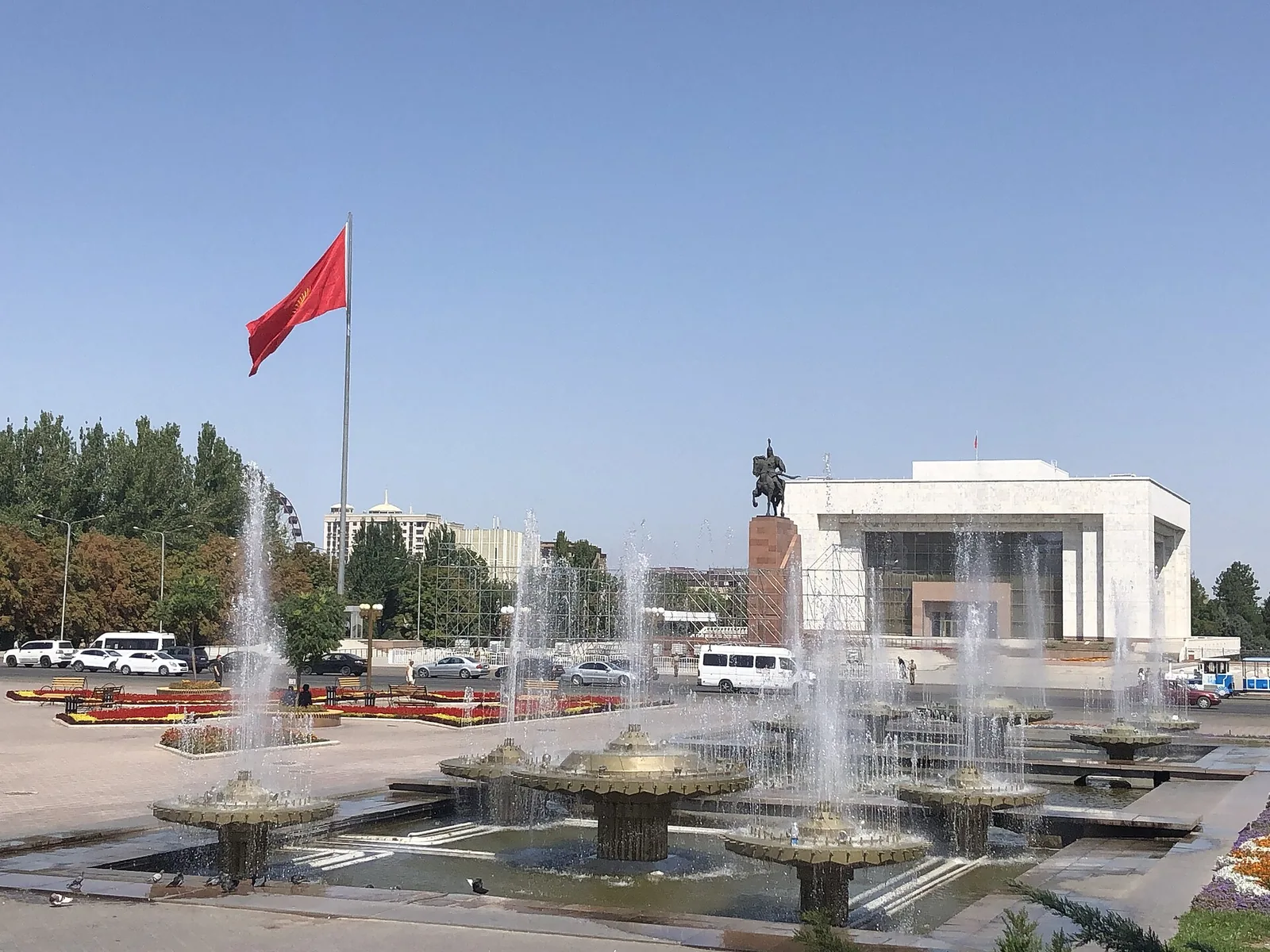
In May, use the green parks and longer daylight for the central square–museum–Erkindik route, while keeping a covered museum stop for rain. July and August favour early walking, shade, water and a longer lunch break; keep the most exposed sightseeing out of the hottest part of the afternoon.
October and November make the Fine Arts Museum, History Museum and Frunze House useful anchors with shorter outdoor loops. December through February suit a compact indoor itinerary with one deliberate walk rather than a full day of exposed streets. Museum opening days still matter more than a generic season label.
Treat the mountains and lake as different seasonal decisions
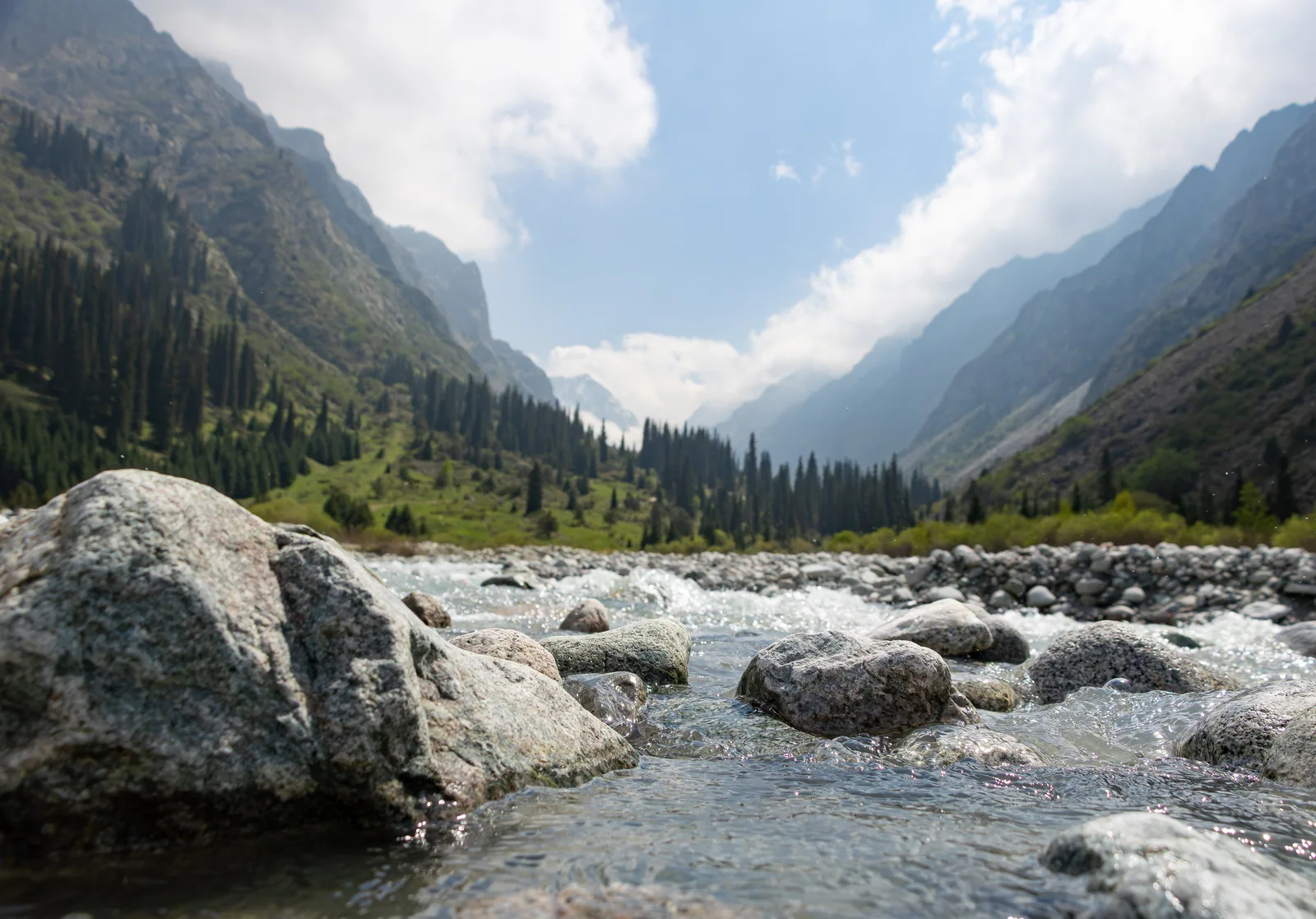
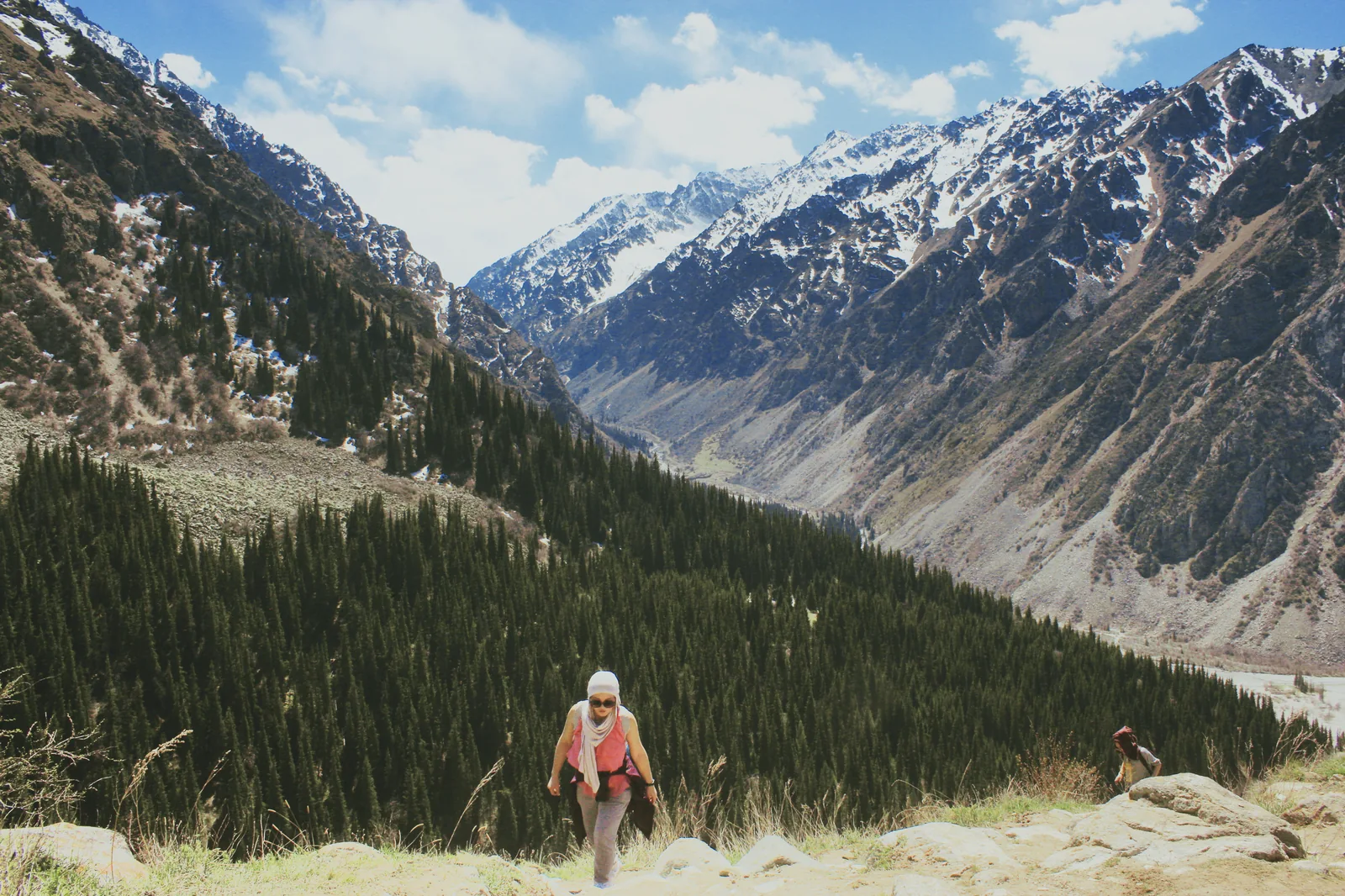
Ala-Archa is a mountain day even when Bishkek feels mild. Summer gives the most daylight for the valley and waterfall routes, but snow, rain and trail work can still alter the higher walk. September often gives a dry city baseline and cooler hiking conditions; a lower valley outing is the sensible choice when the forecast removes the margin for Ak-Say.
Issyk-Kul adds a different trade-off: July and August are the strongest months for warm water and lakeshore time, while May, June and September favour walks, food, guesthouses and road scenery rather than swimming as the main aim. Regional season guidance from Destination Karakol makes the same city-versus-lake distinction. Use a regional forecast and your host or operator’s current road and activity information to choose each lake or mountain day.
For a winter mountain day, compare Chunkurchak and ZIL, their transport and lesson arrangements. Choose the date from the resort’s current opening and road conditions; use the resort’s current lift report for the skiing decision.
Book in the order the weather can disrupt
Choose May or September for long city walks between squares, museums and parks. Choose July or August when warm Issyk-Kul water and lakeshore time matter most. Choose June or early autumn when mountain scenery is the priority, then let the foothill forecast, daylight and road conditions shape the Ala-Archa day.
Reserve the Bishkek base and any fixed regional nights first. Read the short-range forecast before choosing the outdoor transport and activity, leave arrival and departure days light, and move Ala-Archa or a lakeshore stop when conditions change. Then pack for the mountain day you choose.